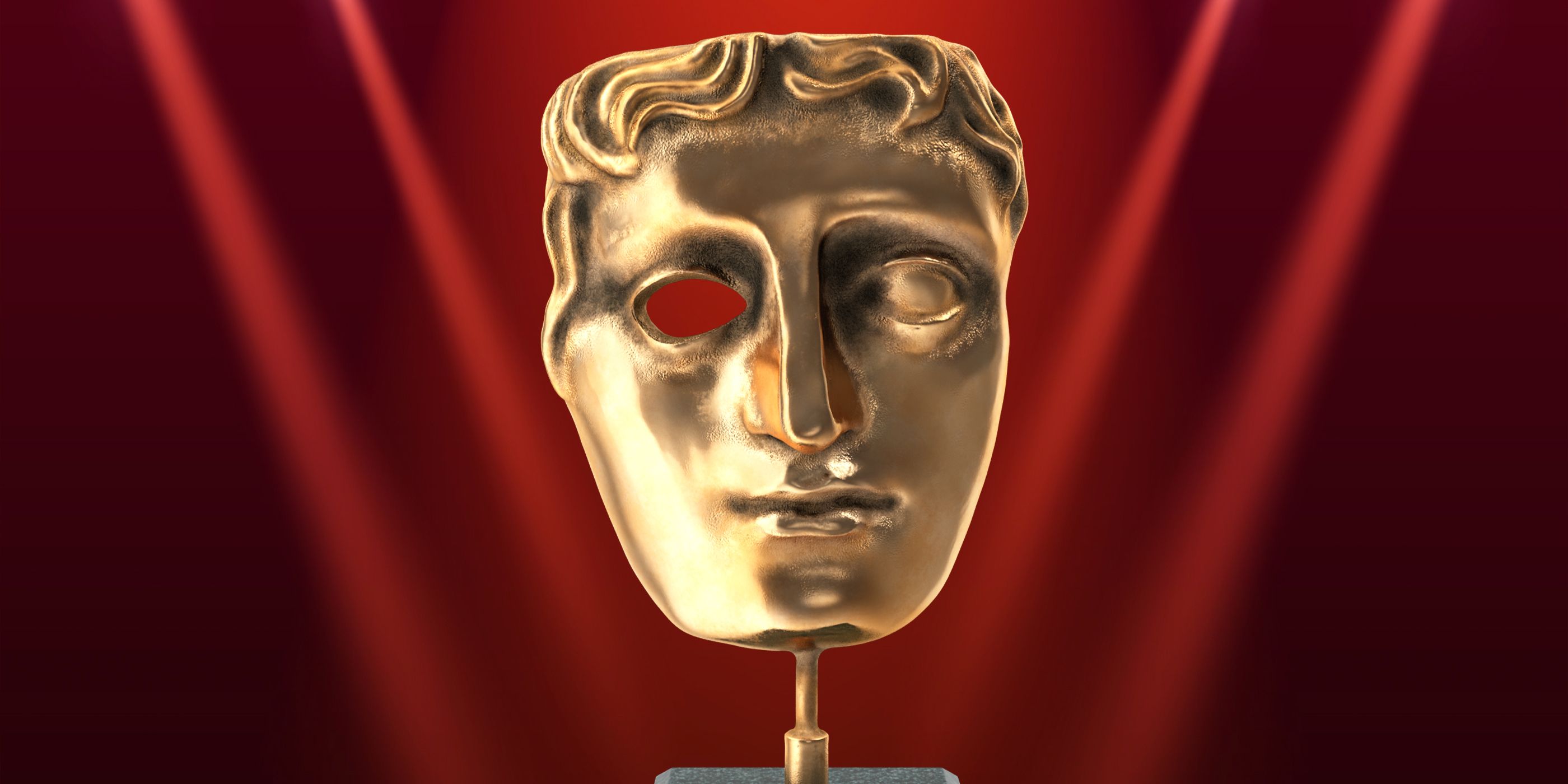
 A BAFTA award in front of a red curtainImage via Shutterstock/Jefferson Chacon
 By
Amanda M. Castro
Published Feb 23, 2026, 8:18 PM EST
By
Amanda M. Castro
Published Feb 23, 2026, 8:18 PM EST
Amanda M. Castro is a Network TV writer at Collider and a New York–based journalist whose work has appeared in Newsweek, where she contributes as a Live Blog Editor, and The U.S. Sun, where she previously served as a Senior Consumer Reporter.
She specializes in network television coverage, delivering sharp, thoughtful analysis of long-running procedural hits and ambitious new dramas across broadcast TV. At Collider, Amanda explores character arcs, storytelling trends, and the cultural impact of network series that keep audiences tuning in week after week.
Born and raised in Puerto Rico, Amanda is bilingual and holds a degree in Communication, Film, and Media Studies from the University of New Haven.
Sign in to your Collider account Add Us On Summary Generate a summary of this story follow Follow followed Followed Like Like Thread 1 Log in Here is a fact-based summary of the story contents: Try something different: Show me the facts Explain it like I’m 5 Give me a lighthearted recapAwards shows have always walked a tightrope between spectacle and control. The recent BAFTA Awards broadcast controversy, however, shows what happens when that balance slips, and why networks heading into Oscars season should be paying very close attention.
What unfolded during the ceremony exposed something structural about modern awards telecasts: when editorial standards appear uneven, even unintentionally, the broadcast itself becomes the story. At a time when these shows are already under intense scrutiny, consistency isn’t just a technical goal — it’s the foundation of viewer trust.
The Slur Airing Raises Questions About Broadcast Safeguards
 Michael B. Jordan and Delroy Lindo presenting at the BAFTAsImage via BAFTAs 2026
The most immediate backlash followed the BBC’s delayed airing of the BAFTAs, during which a racial slur shouted by an audience member remained in the final broadcast. The outburst came from Tourette’s advocate John Davidson, whose condition can include involuntary vocal tics. Host Alan Cumming had warned viewers during the ceremony that such language could occur and stressed that the symptoms were not intentional.
The BBC later apologized, saying the moment should have been removed before transmission. Producers reportedly did not hear the slur while monitoring the feed from the production truck, even though other instances of strong language were successfully edited out. From a broadcast perspective, the issue isn’t about Davidson’s intent. According to accounts, the outburst was involuntary. The larger question is procedural: If a two-hour delay exists specifically to catch unpredictable moments, how did something this significant slip through?
Tape delays are built on a simple promise — that there is a safety net. When that net visibly fails, even once, it invites scrutiny about how reliable the system really is, and in an awards-show environment, perception matters almost as much as process. There was real damage done with that slur slipping through, prompting responses from award winners. Oscar-winning Sinners production designer Hannah Beachler described the situation as “almost impossible,” but said the impact on Black attendees was real, noting that racial slurs were heard multiple times that night, including one directed at her after the ceremony. What appeared to frustrate some in the room even more was the response that followed. Beachler specifically criticized what she characterized as a “throw-away apology of ‘if you were offended,’” a line that highlighted how quickly a technical broadcast issue can evolve into a broader credibility problem.
Cutting Political Speech Creates a Perception Problem

The conversation might have remained narrowly focused on a missed edit if not for what viewers noticed next. Filmmaker Akinola Davies Jr.’s acceptance speech, which concluded with a brief political statement referencing Palestine, was removed from the BBC broadcast. To be clear, the BAFTAs telecast is routinely trimmed for time, and political remarks are not immune to those edits, but a racial slur left audible while a clearly delivered political line was cut became part of the public debate.
Even if the two decisions were made for entirely separate reasons, the contrast created the appearance of selective enforcement, and on broadcast television, appearances can be just as consequential as intent. This isn’t fundamentally a question about whether political speech belongs in awards shows; networks have long exercised editorial judgment over what makes the final cut. The complication arises when audiences can’t easily see the logic behind those decisions. Neutrality depends on consistency; when viewers perceive uneven application of standards, the editorial process itself starts to look subjective, whether it is or not.
Why the Oscars and Other Telecasts Should Pay Attention
 Image via Shutterstock/Featureflash Photo Agency
If there’s a forward-looking takeaway from the BAFTAs situation, it’s this: the margin for editorial ambiguity is shrinking. Modern awards shows are global, heavily clipped, and instantly dissected online. Every bleep, every cut, every missed moment now travels far beyond the original broadcast window, which raises the stakes for clarity around how decisions are made.
For major telecasts like the Oscars, the lesson isn’t about avoiding every possible misstep — that’s unrealistic in live-event television. The real priority is transparency and consistency. Viewers are generally forgiving of honest mistakes. They are far less forgiving when the rules behind the broadcast feel opaque.
Subscribe to our newsletter for clearer broadcast insight
Get deeper clarity on how editorial choices shape awards telecasts: subscribe to the newsletter for focused analysis of broadcast standards, transparency, and the stakes behind editing decisions, helping you understand what drives coverage. Subscribe By subscribing, you agree to receive newsletter and marketing emails, and accept our Terms of Use and Privacy Policy. You can unsubscribe anytime.That means clearly defined delay protocols, consistent editing standards, and faster visible corrections when something slips through. Without those guardrails, even routine editorial choices risk becoming flashpoints. Awards shows thrive when the focus stays on the winners, the speeches, and the spectacle. When the conversation shifts to broadcast decisions instead, credibility starts to erode at the edges.
For broadcasters heading into the Oscars and beyond, this controversy offers a useful — and timely — reminder. Viewers don’t expect perfection; they do, however, expect the rules to make sense, and when they stop making sense, trust has a way of slipping out of frame until it's nonexistent.
BAFTA Awards Expand Collapse Follow Followed Like Share Facebook X WhatsApp Threads Bluesky LinkedIn Reddit Flipboard Copy link Email CloseSubscribe to our newsletter for clearer broadcast insight
Get deeper clarity on how editorial choices shape awards telecasts: subscribe to the newsletter for focused analysis of broadcast standards, transparency, and the stakes behind editing decisions, helping you understand what drives coverage. Subscribe By subscribing, you agree to receive newsletter and marketing emails, and accept our Terms of Use and Privacy Policy. You can unsubscribe anytime.What To Watch
 July 20, 2025
The 72 Best Movies on Netflix Right Now
Trending Now
2:23
July 20, 2025
The 72 Best Movies on Netflix Right Now
Trending Now
2:23
 57 Predictions From 'The Simpsons' That Came True
2:07
57 Predictions From 'The Simpsons' That Came True
2:07
 The Tension Between 'Castle's Co-Stars Was a Lot Darker Than You Remember
 'Battlestar Galactica's Greatest Quote Is More Relevant Than Ever in 2026

