
 By
Derek Faraci
Published Feb 28, 2026, 9:30 PM EST
Derek is the Training Lead for ScreenRant. Before his current position, he spent 20 years working in games, TV, and film while also writing for several entertainment sites.
Derek is also the co-host of three pop culture podcasts: Across the Omniverse, The Bad Batch, and Watch Men.
Sign in to your ScreenRant account
Add Us On
Summary
Generate a summary of this story
follow
Follow
followed
Followed
Like
Like
Thread
Log in
Here is a fact-based summary of the story contents:
Try something different:
Show me the facts
Explain it like I’m 5
Give me a lighthearted recap
By
Derek Faraci
Published Feb 28, 2026, 9:30 PM EST
Derek is the Training Lead for ScreenRant. Before his current position, he spent 20 years working in games, TV, and film while also writing for several entertainment sites.
Derek is also the co-host of three pop culture podcasts: Across the Omniverse, The Bad Batch, and Watch Men.
Sign in to your ScreenRant account
Add Us On
Summary
Generate a summary of this story
follow
Follow
followed
Followed
Like
Like
Thread
Log in
Here is a fact-based summary of the story contents:
Try something different:
Show me the facts
Explain it like I’m 5
Give me a lighthearted recap
It may be hard to believe, but the age of blockbuster Marvel movies has been going on for two and half decades. Blade came out in 1998, and X-Men hit theaters in 2000, but it was 2002's Spider-Man that really set the path for the superhero genre to take over the world.
But Marvel's superheroes weren't happy with controlling theaters, they wanted to be on TV too, and before long shows like WandaVision, She-Hulk, and Wonder Man became must-see TV. All of this is a long way from where Marvel started off when they first tried to bring their heroes and villains to television sets.
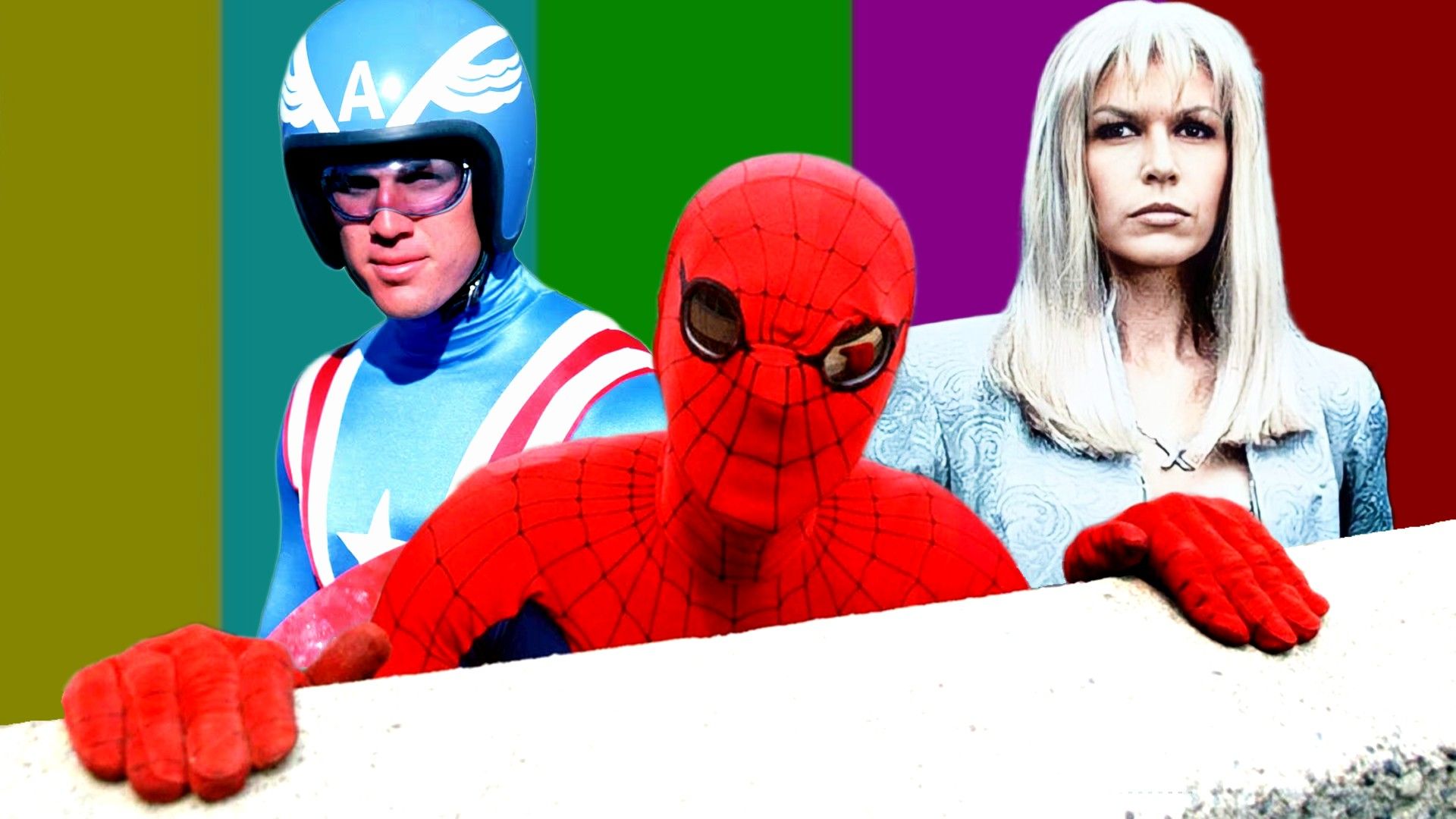
While The Incredible Hulk found success on the small screen in the late 1979s and early 1980s, the rest of the gang weren't so lucky. For a long time, it seemed like Marvel's TV history would be filled with some laughably poor attempts to capture the excitement of the comics.
The Amazing Spider-Man Was A Wed Swing And A Miss
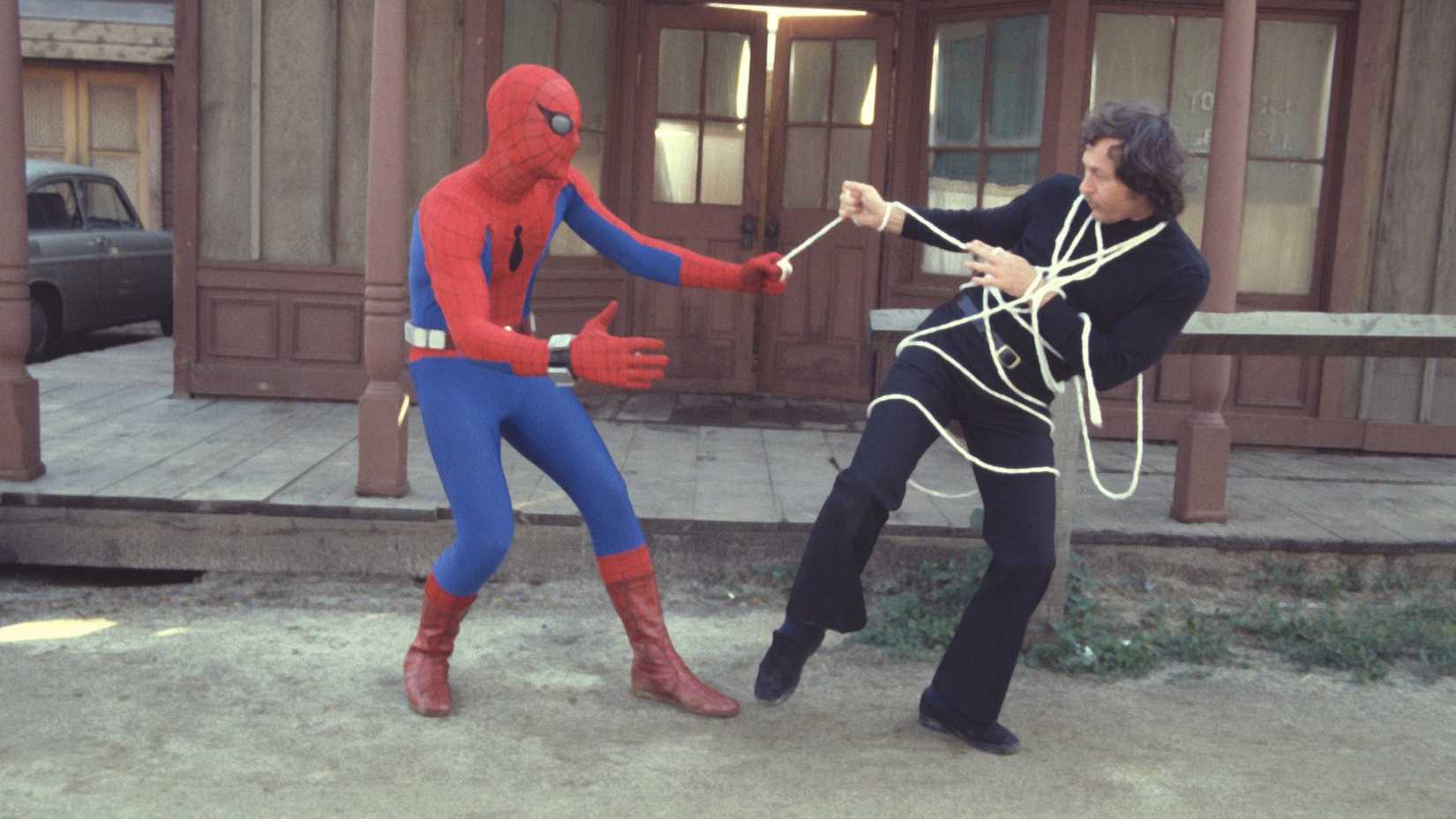
Spider-Man's live action debut was on The Electric Company in "Spidey Super Stories." These shorts, running around 3 minutes, featured a mute Spider-Man taking on villains who preferred to destroy sandwiches instead of cities. Then, in 1977, CBS aired the TV movie The Amazing Spider-Man. This time, with a talking Spider-Man and other characters from the comics, fans were intrigued, making the movie CBS' biggest show of the year.
With the success of the TV movie, a show was ordered. But it was soon discovered that the TV movie's success wasn't going to be as easy to reproduce weekly. The show was expensive for the time, and the special effects weren't up to par with what people wanted to see from a Spider-Man story.
The Amazing Spider-Man lasted just 13 episodes which saw the famous Wall-Crawler fighting arms dealers, an evil cult, and an greedy chemical company. Missing from the show were Spider-Man's classic rogues, making the show a pale imitation of the adventures that appeared in the comics every month.
Doctor Strange's Magic Went Poof In 1978
Not ready to give up on Marvel, CBS made a deal with Universal to produce four TV movies that would act as backdoor pilots. The first of these was The Incredible Hulk, which went on to become a massive hit, launching a series that would run for 80 episodes and return for three more TV movies. Next up was Doctor Strange.
 Related
8 Upcoming MCU Storylines That Would Have Seemed Simply Impossible When The Franchise Began
Related
8 Upcoming MCU Storylines That Would Have Seemed Simply Impossible When The Franchise Began
Some huge storylines are coming up in the MCU's future installments that would have felt simply impossible 17 years ago when the franchise began.
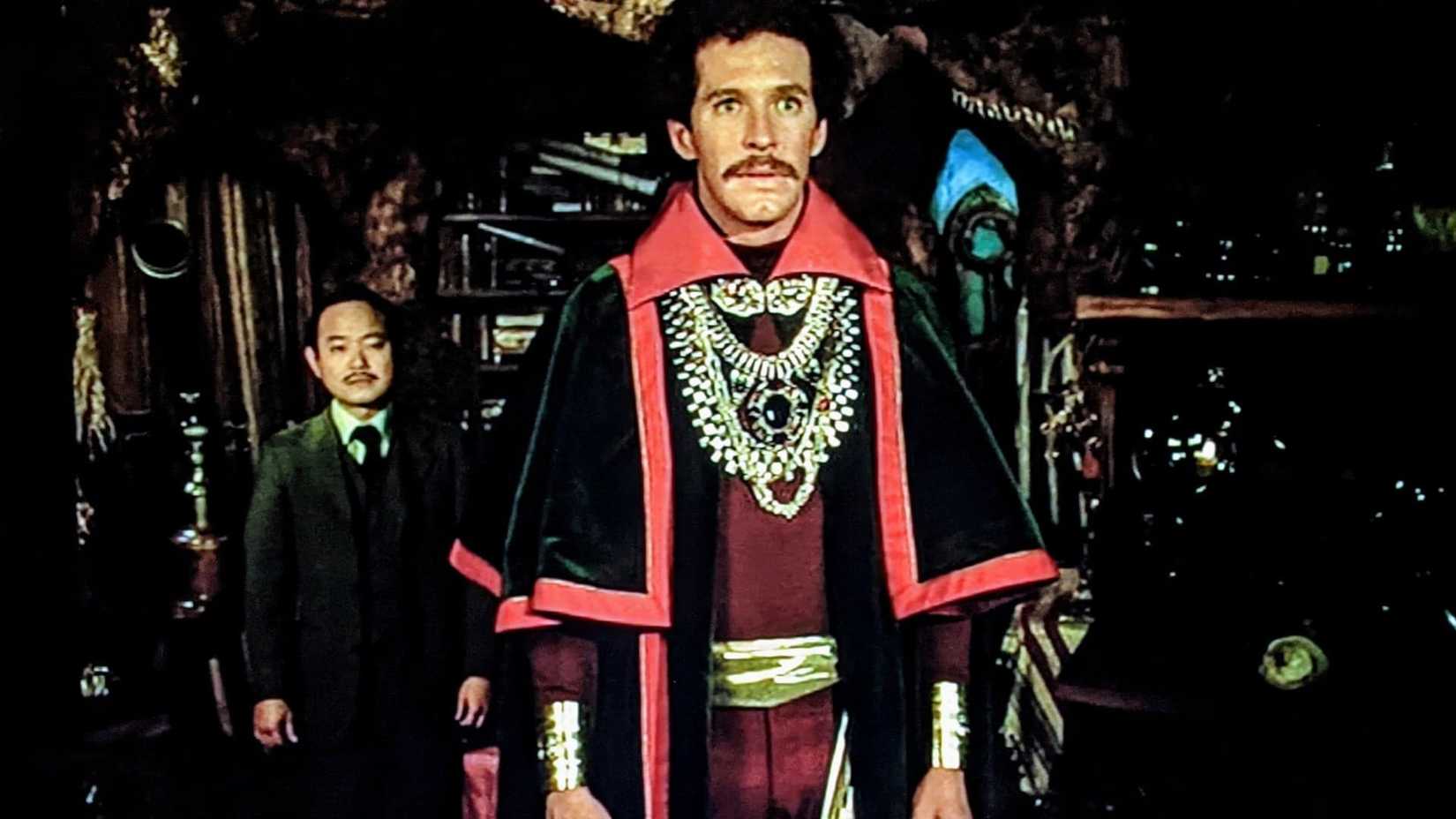
Posts By Ollie BradleyAs you may have guessed, there is no long-running Doctor Strange TV series from the '70s. In fact, the TV movie was all but forgotten for years, and with good reason. Philip DeGuere, who directed the Doctor Strange TV movie, was given just 13 days to shoot the entire thing. Then the execs stepped in.
With the success of Star Wars, Universal and CBS wanted Doctor Strange to have high level visual effects to wow the audience, but they didn't want to pay for it. The end result was a TV movie that looked rush and cheaply made. Ensuring that Doctor Strange wouldn't succeed was CBS' decision to run it opposite Roots.
Captain America Hardly Resembled Himself
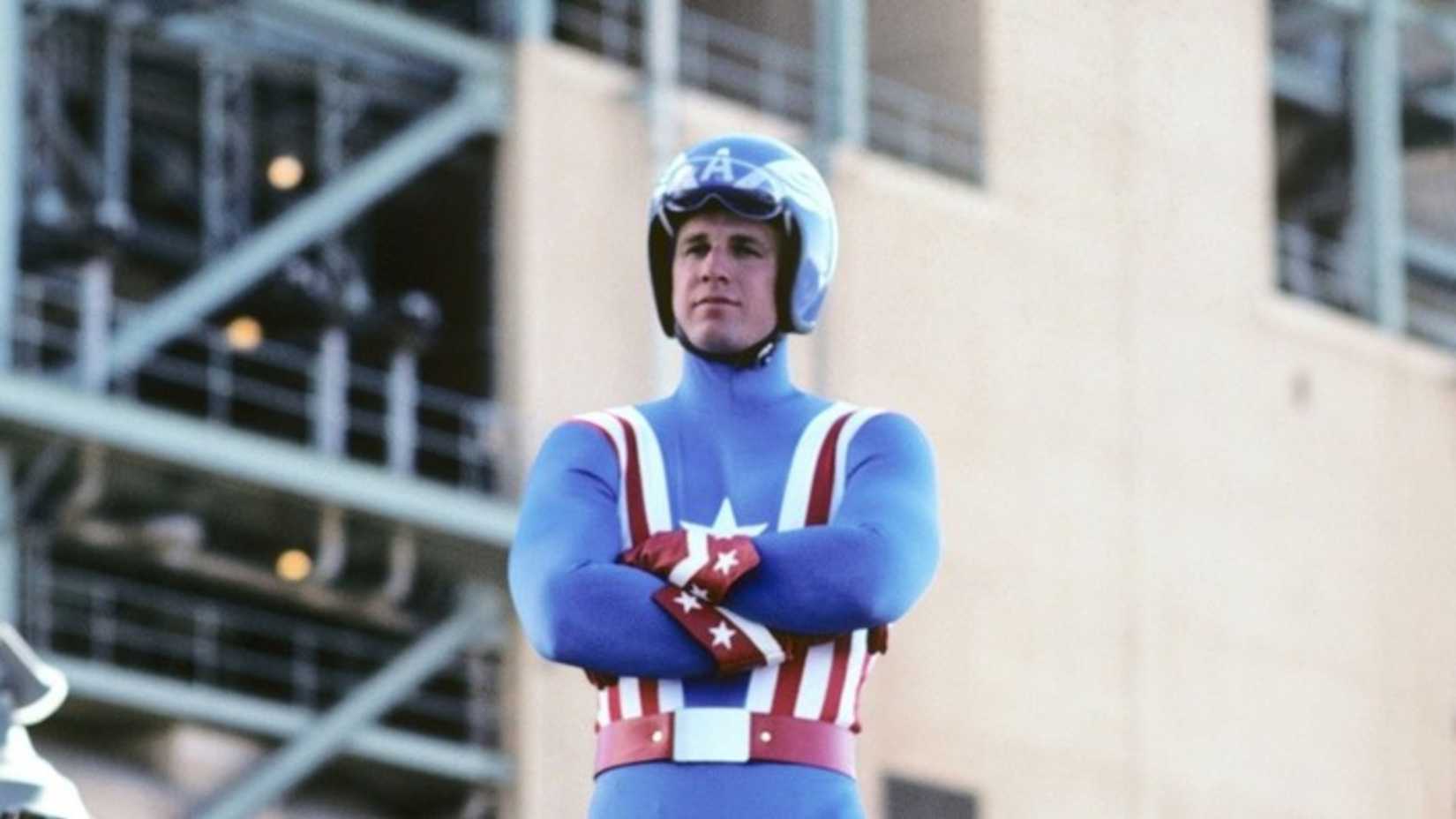
If someone were to watch the 1979 TV movie Captain America or its sequel, Captain America II: Death Too Soon and think that it was just a knock-off of the Marvel hero, it would be understandable. The third outing of the CBS and Universal deal, Cap may have been slightly more successful than Doctor Strange, but that doesn't mean it was good.
For reasons unknown, the decision was made to completely change Captain America's story, setting his origin in modern day. In this tale, Steve Rogers is a former Marine traveling the country in his van when he is horribly injured in an attack. To save his life, Steve is given the Fully Latent Ability Gain formula, or "FLAG" for short.
Sure enough, FLAG gives Steve Rogers powers just like his dead dad had in World War II. Steve is then given the nickname Captain America, which is also what they called his dad because he was so patriotic, and a rather crummy costume to match a rather lame looking shield so he can stop a villain looking to set off a neutron bomb.
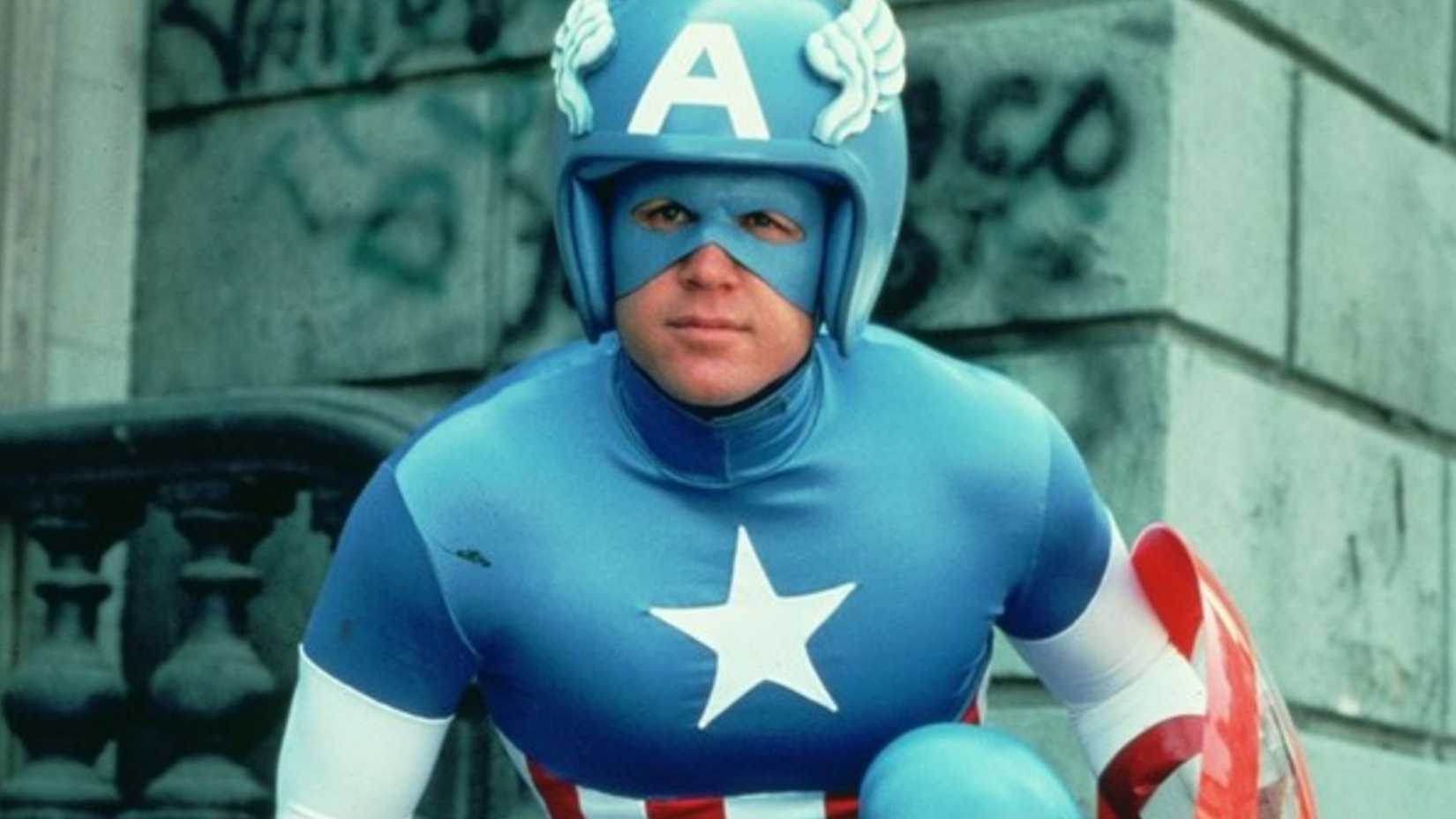
The sequel is no better. In it, Captain America deals with thieves stealing Social Security checks and a free-lance revolutionary looking to get involved in a war that is, apparently, happening somewhere that the story can't bother to name. While Death Too Soon is bad, Captain America's costume is slightly better, looking more like the comic version (though he still wears a motorcycle helmet over his mas for some reason).
Crikey! Wolverine's Australian!
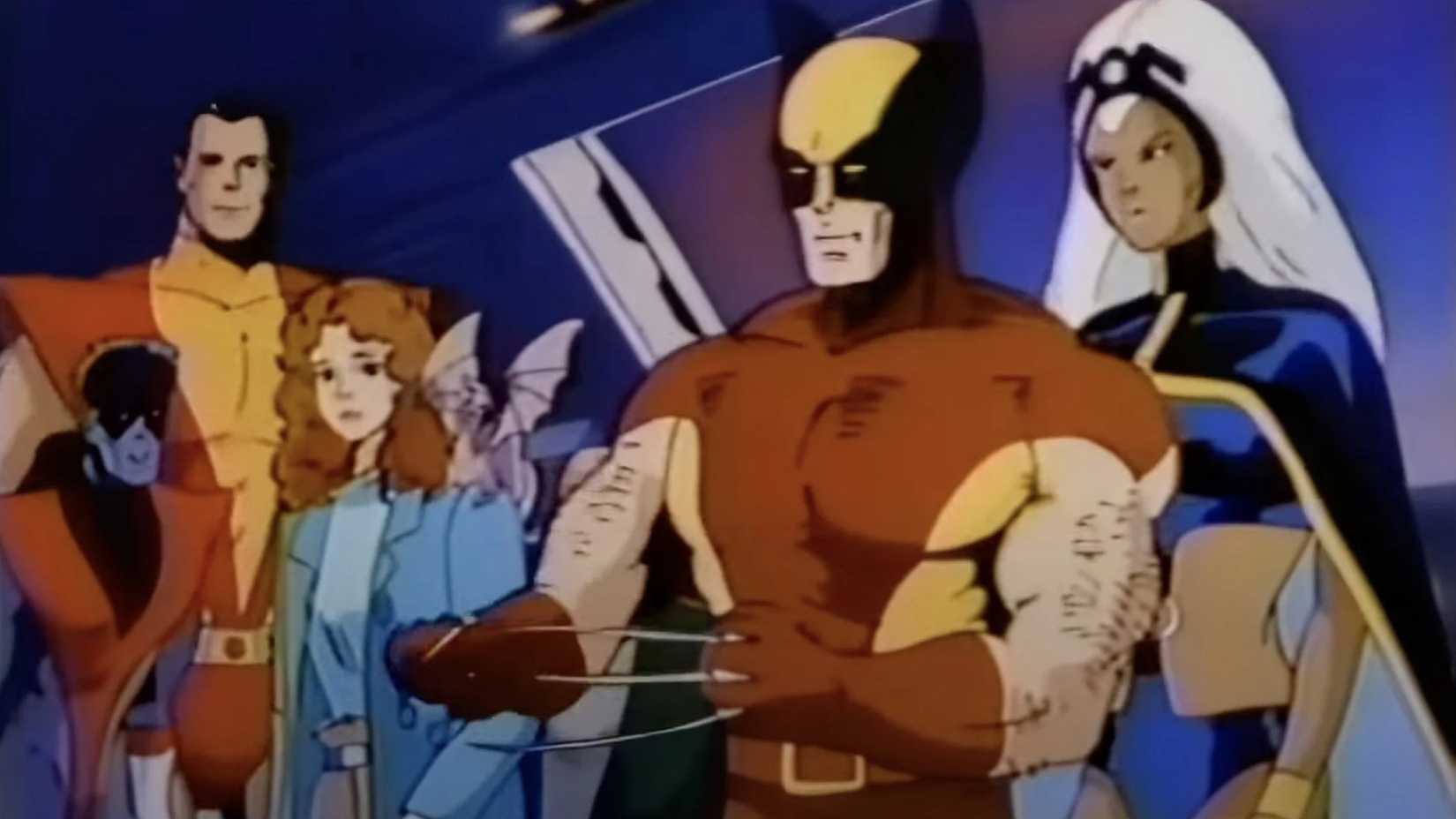
Before the beloved 1992 animated series, the X-Men almost had a different cartoon. Pryde of the X-Men was the animated pilot for the originally planned series that went back to the drawing board. And while the show itself is well done, it's clear why this version didn't move forward.
Narrated by Stan Lee, Pryde of the X-Men is in some ways similar to how the 1992 series would start, but may throw too much at the viewer too quickly. The pilot starts in the middle of the story, with Magneto having been captured by the government and doesn't let up. Before long, the viewer is introduced to the Brotherhood of Evil Mutants and the X-Men.
What makes this pilot, which aired in 1989 and was what Konami based the classic 1992 X-Men arcade game on, so memorable is that, for some reason, the decision was made to have Wolverine be from Australia instead of Canada. Perhaps they wanted him to whip out his claws and make a "that's not a knife" joke à la Crocodile Dundee in future episodes.
Generation X Got An F
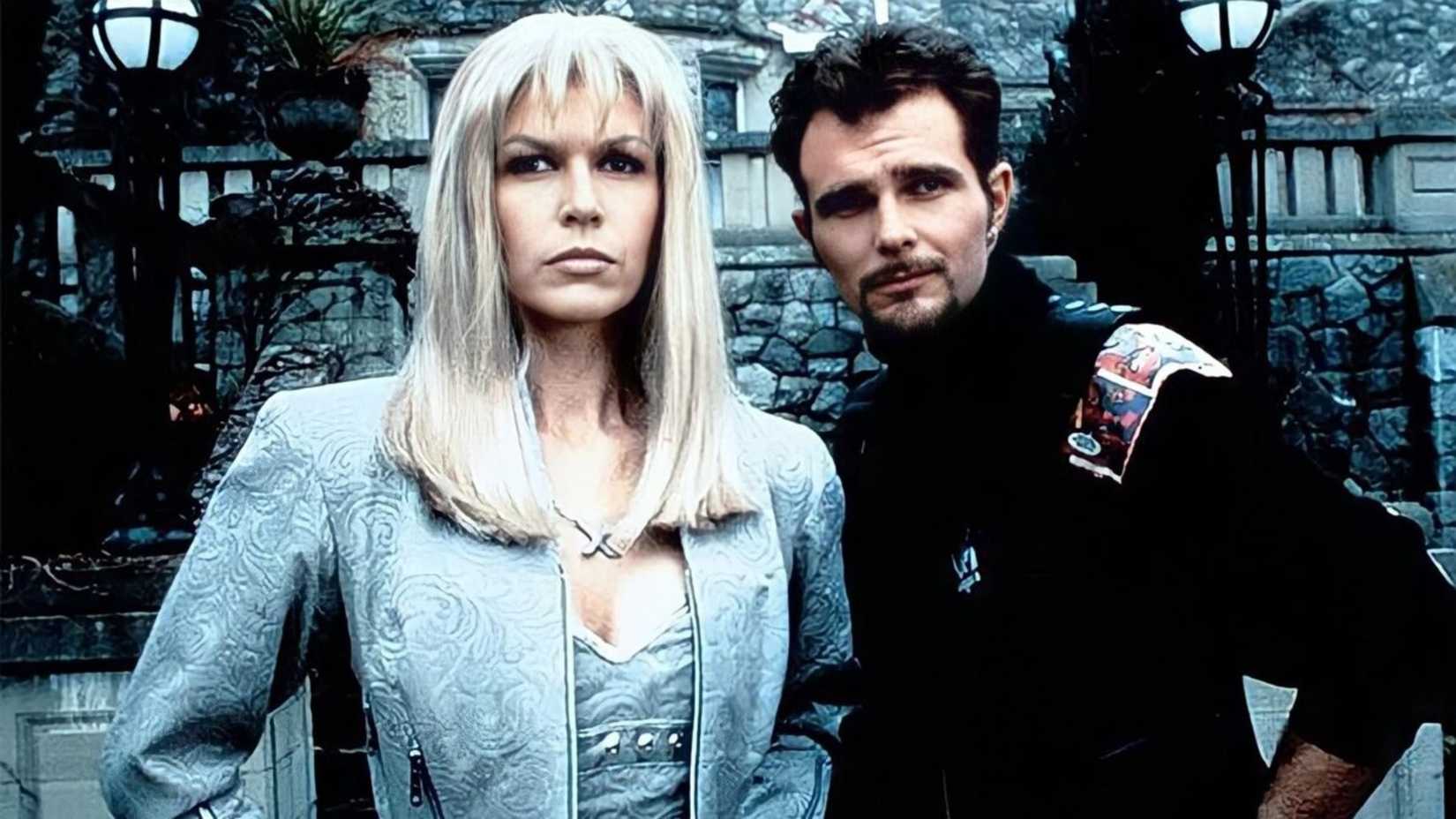
Just three years before the X-Men would make their theatrical debut, Fox created the Generation X TV movie. Focused on Jubilee, who is brought to Xavier's School for Gifted Youngsters by the school's headmasters Emma Frost and Banshee, the story introduces lesser-known Marvel mutants like Skin and Mondo, which means Skin and Mondo were seen in live action before Storm and Cyclops.
The Generation X TV movie was a victim of time and money. It was created at a time when a TV budget could never create the visual effects that would be needed to make a live-action X-Men series work. The production didn't even bother trying to fit in then Gen-X mainstays Chamber and Husk, replacing them with new characters Refrax and Buff.
It didn't help that the TV movie wasn't very good either. And it made some very odd choices as well, like casting the very much not Chinese actor Heather McComb to play Jubilee.
 Quiz
Quiz
 5 Questions
Flops to Blockbusters: Test Your Marvel TV History Knowledge
Your Top Score
--
Attempts
--
Start Quiz
0
0
Report Error
5 Questions
Flops to Blockbusters: Test Your Marvel TV History Knowledge
Your Top Score
--
Attempts
--
Start Quiz
0
0
Report Error
Found an error? Send it [email protected] so it can be corrected.
 Marvel Cinematic Universe (MCU)
Created by
Kevin Feige
First Film
Iron Man
Latest Film
Black Panther: Wakanda Forever
Upcoming Films
Ant-Man & the Wasp: Quantumania
First TV Show
WandaVision
Latest TV Show
She-Hulk: Attorney at Law
Expand
Collapse
Marvel Cinematic Universe (MCU)
Created by
Kevin Feige
First Film
Iron Man
Latest Film
Black Panther: Wakanda Forever
Upcoming Films
Ant-Man & the Wasp: Quantumania
First TV Show
WandaVision
Latest TV Show
She-Hulk: Attorney at Law
Expand
Collapse
-
 X-Men
X-Men
 30 Best Cartoon Network Shows From The 2000s, Ranked
 Netflix's 7-Part Sci-Fi Series Is One Of Its Best
 Netflix's 3-Part Detective Series Makes Building A Franchise Look Easy

