- Home
- Retirement
- Happy Retirement
Are classic cars a hobby or an investment strategy — or both? Either way, the vintage car scene is much cooler than you think.
 By
Benjamin Tice Smith
published
20 December 2025
in Features
By
Benjamin Tice Smith
published
20 December 2025
in Features
When you purchase through links on our site, we may earn an affiliate commission. Here’s how it works.
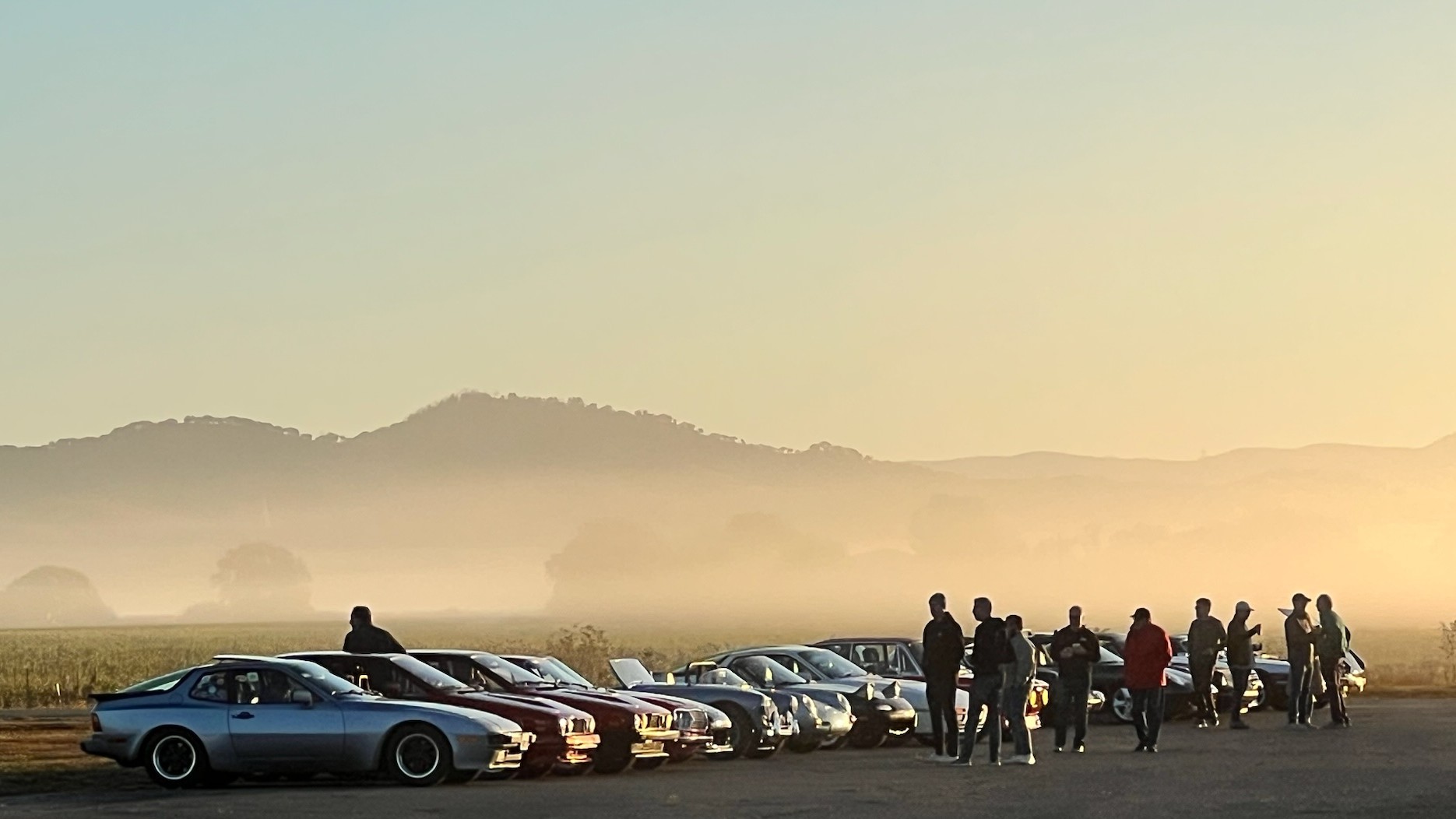 As the sun rises over the San Francisco Bay, classic cars line up before a drive organized by Breakfast Club Rally.
(Image credit: Benjamin Tice Smith)
Share
Share by:
As the sun rises over the San Francisco Bay, classic cars line up before a drive organized by Breakfast Club Rally.
(Image credit: Benjamin Tice Smith)
Share
Share by:
- Copy link
- X
It’s early morning, and the sun is just peeking over the horizon as I consider my options for this morning’s drive.
The older cars are both midrepair, so I hop into my 1994 Mazda Miata. It doesn't seem antique to me, but at more than 30 years old, it qualifies as a classic for today’s drive.
After a quick engine check raises no red flags, I close the hood, climb in and hit the gas.
From just $107.88 $24.99 for Kiplinger Personal Finance
Become a smarter, better informed investor. Subscribe from just $107.88 $24.99, plus get up to 4 Special Issues
CLICK FOR FREE ISSUE
Sign up for Kiplinger’s Free Newsletters
Profit and prosper with the best of expert advice on investing, taxes, retirement, personal finance and more - straight to your e-mail.
Profit and prosper with the best of expert advice - straight to your e-mail.
Sign upThere's a chill in the air and fog on the San Francisco Bay, but the top is down. At this early hour, the roads are almost empty, so there's nothing to keep me from my destination: A private airport less than an hour north, where car nuts such as me will meet for a cup of coffee and a 100-mile drive before going on with our day.
In an era when the roads are increasingly filled with formless cars with the sex appeal (and to be fair, the reliability) of kitchen appliances, the vintage car hobby has lasting allure.
Driving a classic car, or just going to classic car events, has all the ingredients of a great retirement pursuit: Instant community, rich experiences in beautiful places, and maybe a way to make some money. Driving a vintage car can make running errands around town much more fun, as fellow drivers flash their headlights or give a thumbs-up as you pass.
How to get started as a classic car collector (or even just a spectator)
Classic car prices vary widely. It's possible to snag a classic vehicle for four figures if you're willing to do some repairs or live with cosmetic flaws. A much-sought-after Porsche 911 can fetch six figures, and Ferraris can easily command millions.
However, consider the expense of parts and labor before you buy. Many people will tell you, “The most expensive car is a cheap [insert exotic car brand here].”
Avoid the lure of a fixer-upper unless you know the car well and are an experienced mechanic. There are many cars that have a reputation for robustness (for example, Japanese cars from the 1980s through the 90s have aged into classic status), which can be important for a first-time buyer.
Buying online
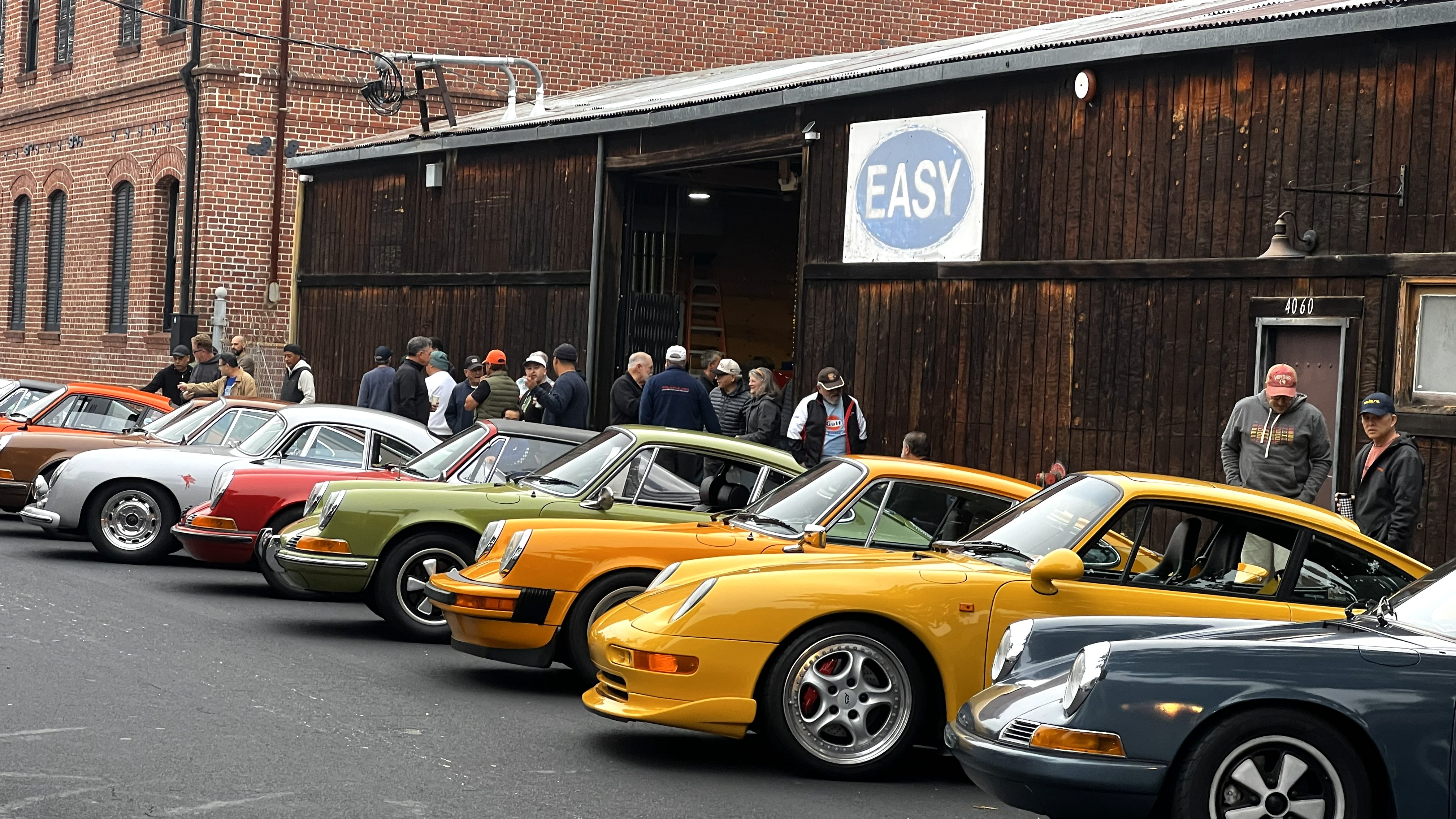
Finding rare cars has never been easier, thanks to the internet. Sites such as Bring a Trailer, Cars & Bids and eBay Motors allow you to search for cars worldwide. If you grew up trying to imagine what cars looked like from the abbreviations in classified ads (such as "5SPD/PS/AC/MNRF"), you'll be pleased to find entire portfolios of photos and videos of each car.
Research the market trends and common faults of a particular model, and check the reputation of any seller you are considering. These sites will also help you arrange remote inspections and shipping directly to you (assuming you don’t relish the adventure of driving a classic cross-country, while blindly trusting the previous owner’s maintenance habits).
The car community
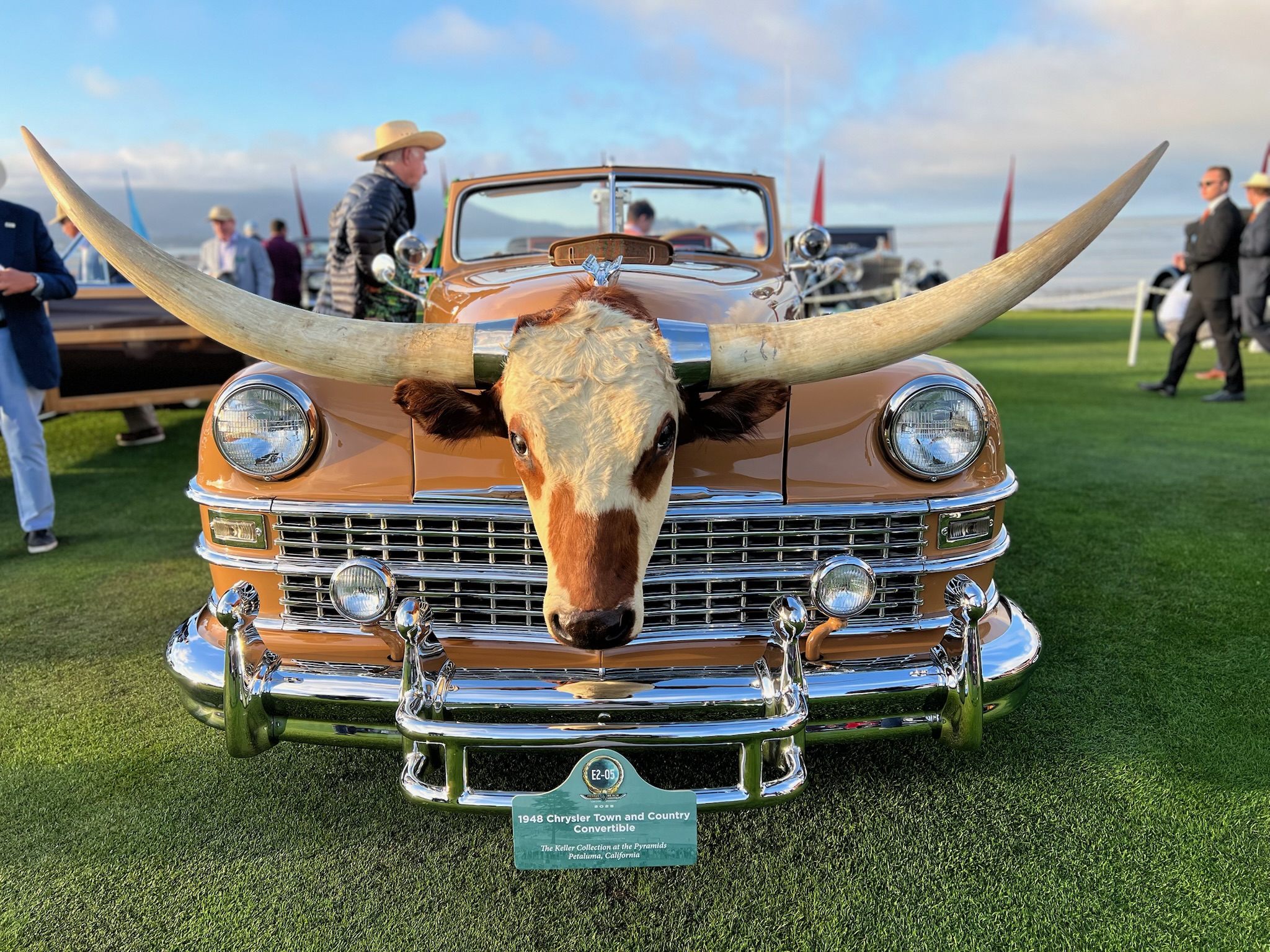
The internet made it easy to connect with groups of fellow enthusiasts for a drive or just to meet and check out each other’s cars. Most groups have a vibrant social media presence, and many organize automotive events from the all-encompassing to the exceedingly esoteric.
This morning’s “Breakfast Club Rally,” hosted by one of these groups, casts a wide net, is open to cars old and new and draws a turnout as impressive as the location.
Cars are parked nose-out on a runway with foggy grapevines in the distance. Interesting modifications are highlighted by an open hood or trunk.
I spy a rare Ferrari FF (a 650 HP two-door station wagon of which only 2,291 were made from 2011 to 2016) and a replica of the 1950s Porsche 550 James Dean died in (see below). As rare as both are, there are two of each on this morning’s drive.

What to look for in a classic car
You don't have to spend a fortune to participate. My humble Miata cost less than $2,000 and is hardly rare. “Blinking” the flip-up headlights delights young children, and discerning drivers appreciate the upgrades I have made to it.
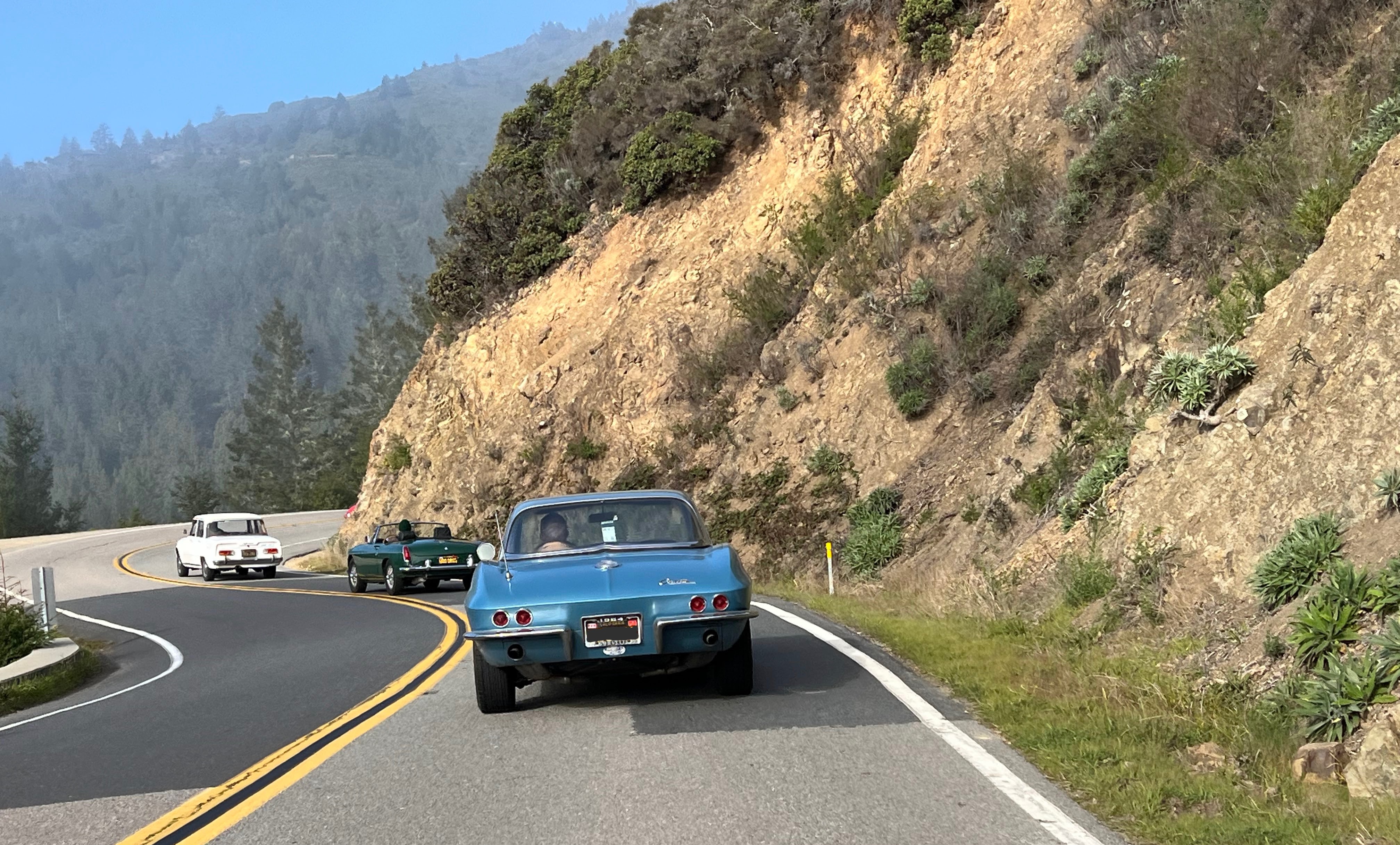
My Miata has 50 horsepower less than a base Toyota Camry, but it's light, and on the curvy back roads on this rally, it can keep up with the Ferraris with five times the power.
Uniqueness often wins hearts and minds rather than list price or raw horsepower. Often, an excited crowd will form around a particularly wild homemade build or a scorned-in-its-time 70s econobox, while a mint supercar next to it will be ignored.
Before you buy: Storage, maintenance and insurance
Cars require a bit more space and upkeep than a coin or record collection. Original paint and chrome need to be protected from the elements, and devoted collectors rent extra space when they outgrow their home garages.
Automobile storage businesses are becoming popular in larger cities; they not only store cars but also keep batteries charged, perform routine maintenance and have them prepped for a weekend drive.
Insurance and registration can also be complex and expensive, but companies such as Hagerty provide collector insurance, and certain states have less expensive registration options for classics that aren’t driven regularly.
In certain states, passing emissions tests can be challenging, especially for modified vehicles, so it pays to be aware of local regulations. A hot-rodded car from Montana might be literally impossible to register in California, for instance.
Mechanically minded retirees can find that time spent making their cars faster, more reliable or just unique is as much fun as actually driving it, especially if they develop a man cave filled with stacks of tools and walls of automotive memorabilia.
But many (most?) drivers never turn a wrench, while professional mechanics provide services ranging from tune-ups to frame-up restorations. Don’t expect a 24-hour turnaround, as many of the best mechanics have long waiting lists.
It can be worth taking the time to find the right person who knows the idiosyncrasies of your particular car. Once-common skills such as fine-tuning carburetors are increasingly rare among younger mechanics, who are taught to diagnose problems with computer scanners rather than their ears, eyes and fingers.
Classic cars as investments
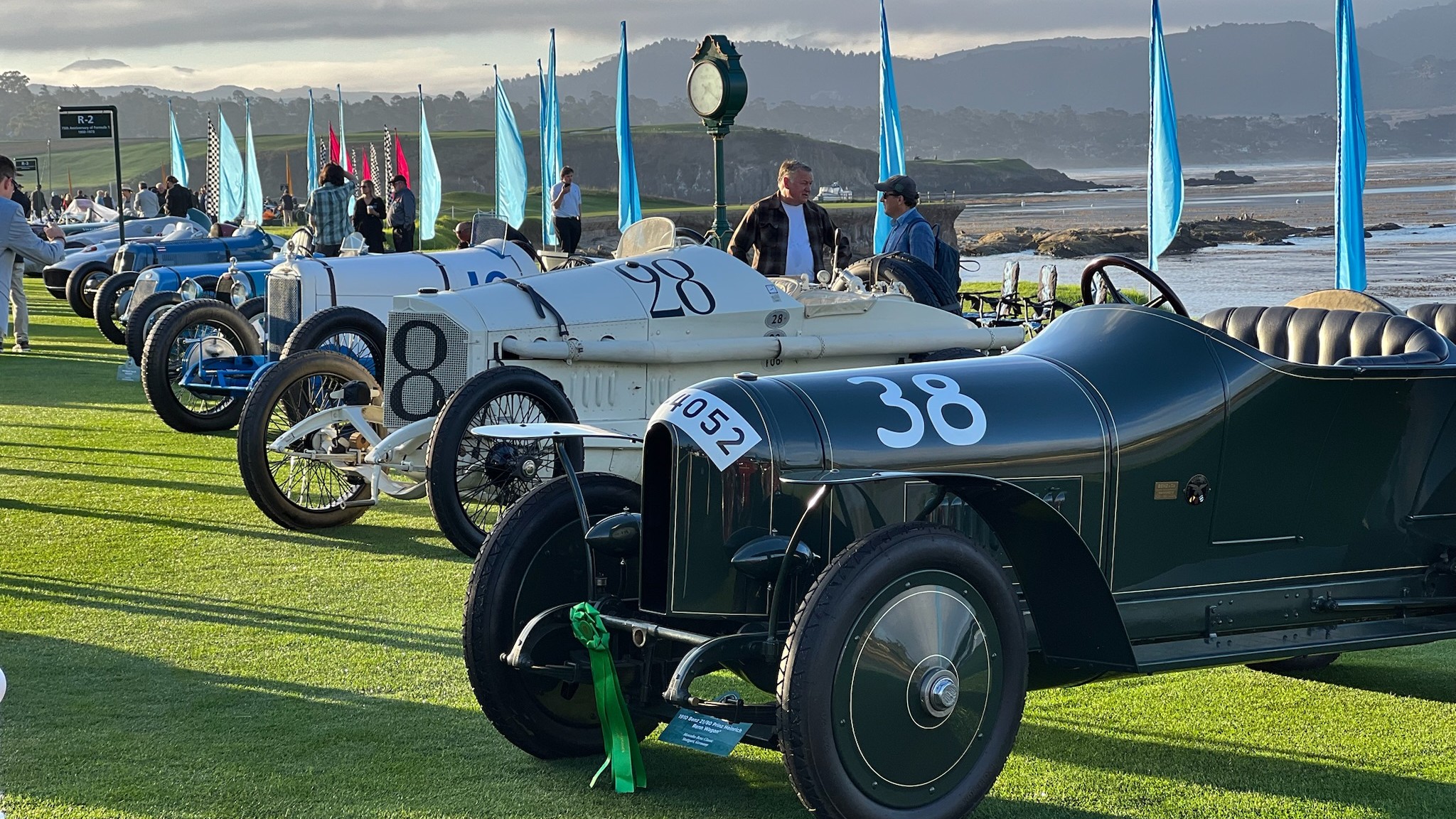
The car market is a fickle investment strategy. Some misers manage their garages like portfolios, buying low, selling high and putting as few miles as possible on their pampered trailer queens.
But not driving these cars defeats their intended purpose. Making a profit (after the costs of storage, insurance and upkeep) is a rarity unless you're lucky enough to find an undervalued car or put in a great deal of sweat equity in one.
If you find time behind the wheel or under the hood a chore, none of this will make sense. But if you consider the payback of community, accomplishment and adventure the car hobby provides, it might be a great investment in you, regardless of profit.
Car values have cooled recently after a pandemic bubble, as the workforce has returned to the office. If a dream car once seemed unattainable, and YOU aren't returning to the office, it might be worth checking on it. It could be your time to buy a classic.
Read More
- 10 Things You Should Know About Buying a Car Today, Even if You've Bought Before
- Moves to Manage the Soaring Cost of Owning a Car
- 9 Ways Seniors Can Save on Car Insurance
- Turn Your Retirement Hobby into Income: The Pros and Cons
 Benjamin Tice Smith
Benjamin Tice Smith has worn many hats in journalism over almost 40 years as a photographer, writer and editor, for Education Week, Business 2.0, Motormouths.com and others. He has been intrigued by old cars even longer, starting with the 1937 Buick he drove in high school.
When he’s not repairing his cars, he can be found exploring remote roads of Northern California in his 1994 Mazda Miata, 1972 Volvo 1800E, or his father’s 1964 Morgan Plus 4.
Latest-
 Changes Are Coming for This Invesco Bond Fund
The Invesco BulletShares 2026 Corporate Bond ETF's bonds will mature in 2026. Here's what investors should do.
-
 What Science Reveals About Money and a Happy Retirement
Whether you’re still planning or already retired, these research-based insights point the way to your best post-work life.
-
 7 Retirement Planning Trends: What They Mean for You in 2026
From government shutdowns to market swings, the past 12 months have been nothing if not eventful. The key trends can help you improve your own financial plan.
-
What Science Reveals About Money and a Happy Retirement
Whether you’re still planning or already retired, these research-based insights point the way to your best post-work life.
-
7 Retirement Planning Trends in 2025: What They Mean for Your Wealth in 2026
From government shutdowns to market swings, the past 12 months have been nothing if not eventful. The key trends can help you improve your own financial plan.
-
 What Defines Wealth: Soul or Silver? Good King Wenceslas' Enduring Legacy in the Snow
The tale of Good King Wenceslas shows that true wealth is built through generosity, relationships and the courage to act kindly no matter what.
-
 An Investing Pro's 5 Moves to Help Ensure 2025's Banner Year in the Markets Continues to Work Hard for You in 2026
After a strong 2025 in the stock market, be strategic by rebalancing, re-investing with a clear purpose and keeping a disciplined focus on your long-term goals.
-
 How to Leave Different Amounts to Adult Children Without Causing a Rift
Here’s how to leave different amounts to adult children without causing a family rift.
-
 My Retirement Learning Curve, 1 Year In
A retiree checks in with what they wish they knew early on and what they've changed about their plan one year in.
-
 Introducing Your CD's Edgier Cousin: The Market-Linked CD
Traditional CDs are a safe option for savers, but they don't always beat inflation. Should you try their counterparts, market-linked CDs, for better returns?
-
 Vesting, Catch-Ups and Roths: The 401(k) Knowledge Quiz
Quiz Test your understanding of key 401(k) concepts with our quick quiz.