- Home
- Personal Finance
- Spending
- Leisure
- Travel
Discover how the new $100 fee will impact your experience visiting 11 of America's most popular parks.
 By
Sean Jackson
published
8 January 2026
in News
By
Sean Jackson
published
8 January 2026
in News
When you purchase through links on our site, we may earn an affiliate commission. Here’s how it works.
Share Share by:- Copy link
- X
If you're planning to visit a U.S. national park this year, be prepared to wait in longer lines and bring documentation proving you're a U.S. citizen. And if you're a non-U.S. citizen visiting, bring your patience and $100.
The Trump administration announced that, starting January 1, international visitors and other non-U.S. residents ages 16 and older must pay a $100 surcharge in addition to regular entrance fees at 11 of the country’s most popular national parks.
As a result, the policy has created a logjam for national park staff, who must use their limited resources to verify each visitor’s residency status and collect the fee from visitors who do not qualify for the resident rate.
From just $107.88 $24.99 for Kiplinger Personal Finance
Become a smarter, better informed investor. Subscribe from just $107.88 $24.99, plus get up to 4 Special Issues
CLICK FOR FREE ISSUE
Sign up for Kiplinger’s Free Newsletters
Profit and prosper with the best of expert advice on investing, taxes, retirement, personal finance and more - straight to your e-mail.
Profit and prosper with the best of expert advice - straight to your e-mail.
Sign upHere's a breakdown of why there's a new fee for non-residents, the 11 parks impacted and the fallout from the fee implementation.
Why is the fee going into place, and which parks does it impact?
President Donald Trump’s executive order calls for nonresidents ages 16 and older to pay $100 apiece to visit national parks. The reason? The executive order directs that these fees be used "to improve the infrastructure of, or otherwise enhance enjoyment of or access to, America’s federal recreational areas," according to the National Park Service.
This fee will apply to the following 11 national parks:
- Acadia National Park (ME)
- Bryce Canyon National Park (UT)
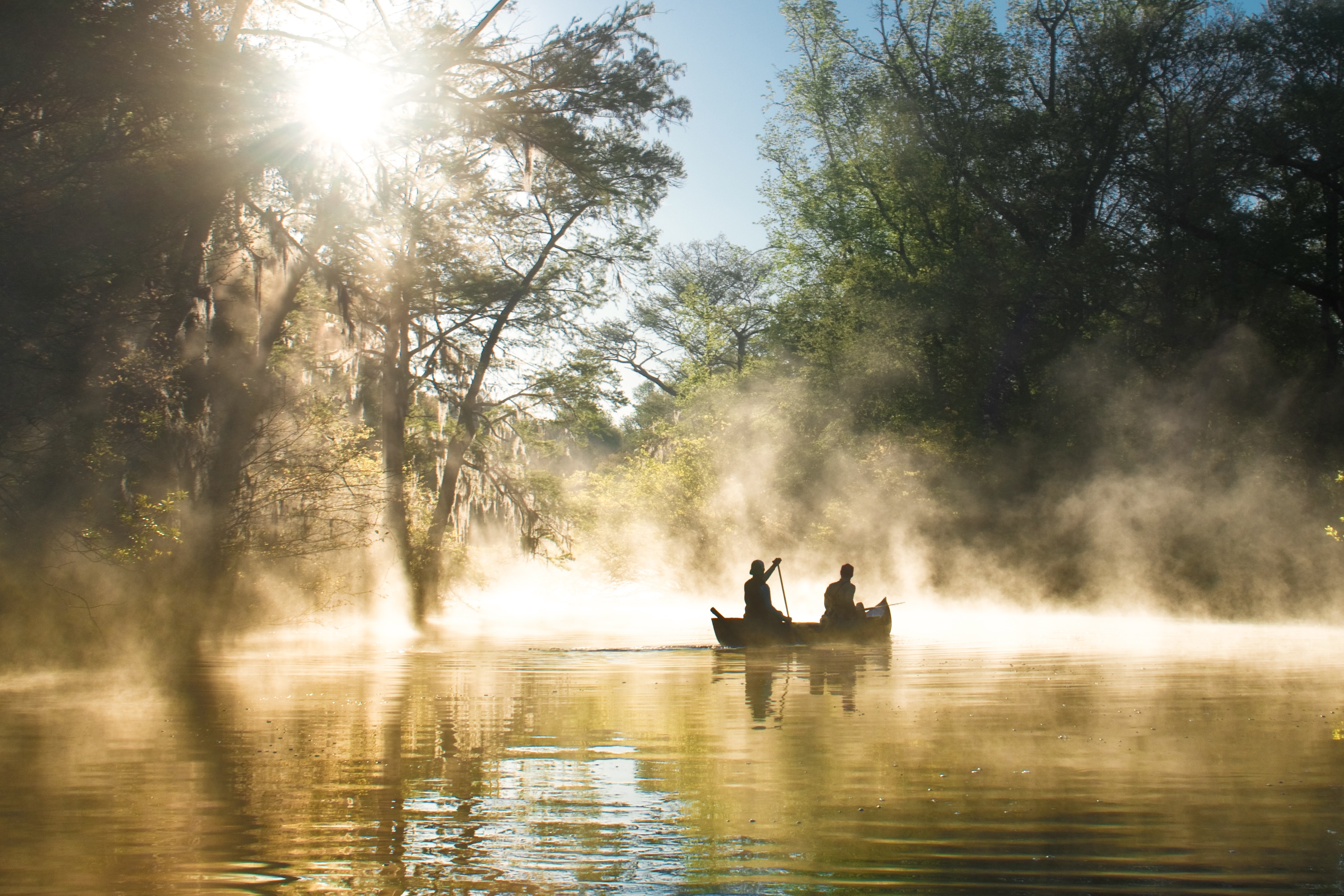
- Everglades National Park (FL)
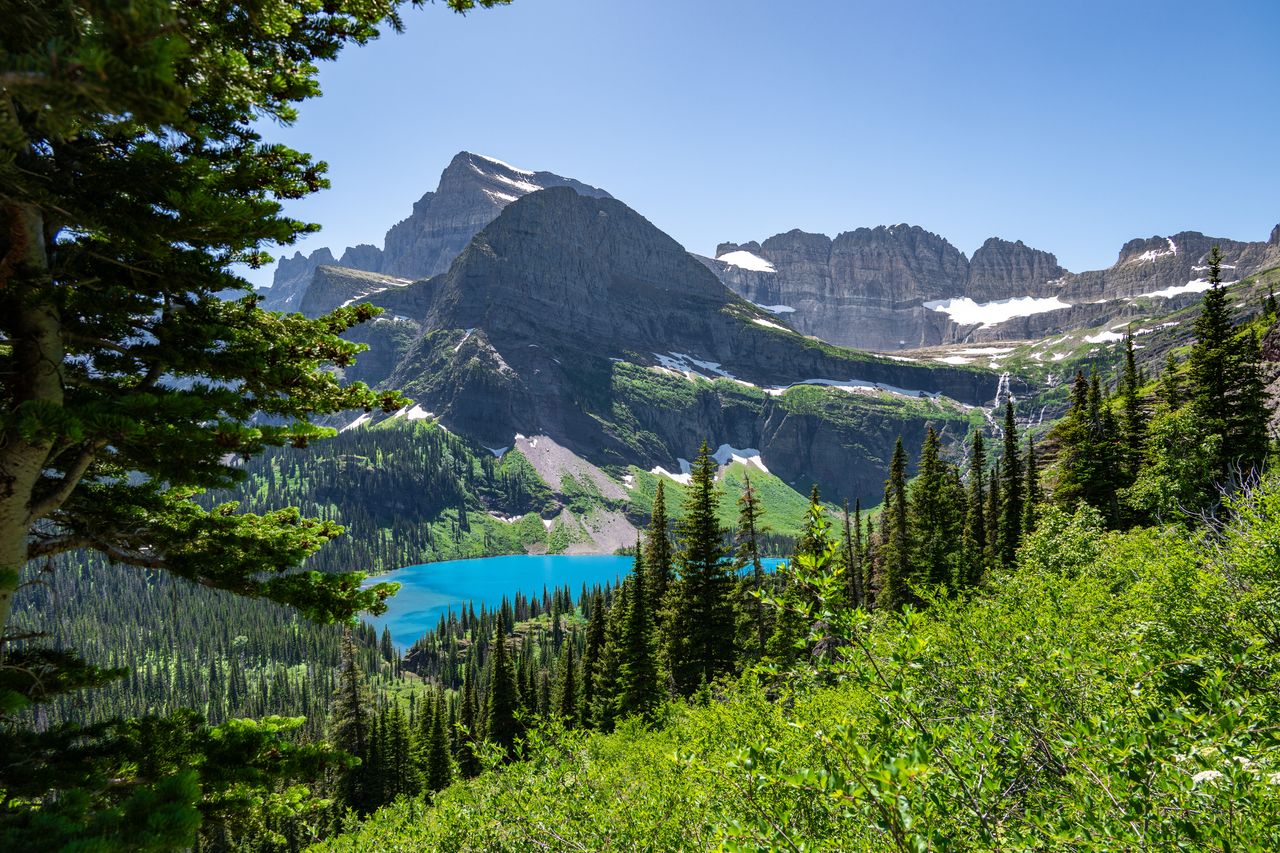
- Glacier National Park (MT)
- Grand Canyon National Park (AZ)
- Grand Teton National Park (WY)
- Rocky Mountain National Park (CO)
- Sequoia & Kings Canyon National Parks (CA)
- Yellowstone National Park (WY, MT, ID)
- Yosemite National Park (CA)
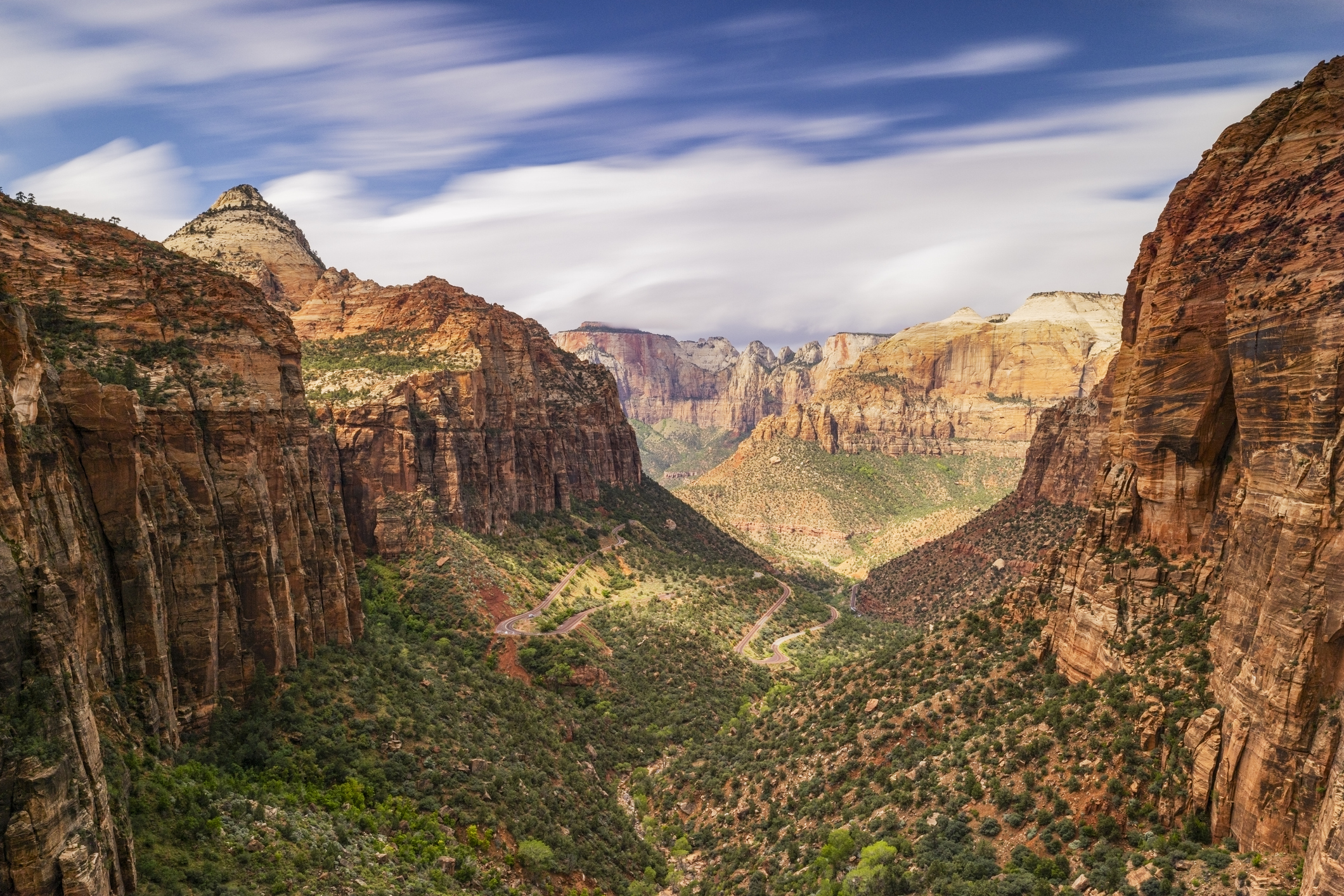
- Zion National Park (UT)
To be fair, the park service has a massive backlog of deferred maintenance totaling in the billions. Their aim is to use these funds to repair roads, bridges, buildings and utilities.
How to prepare before visiting a national park
How it works is when you visit one of these national parks, you'll need to supply information showing you qualify for the resident rate. Acceptable documents include a U.S. passport, your driver's license, a state ID or a Permanent Resident Card (green card).
If you're a non-resident, you can pay the $100 fee at the time you visit. Or, you can purchase the America is Beautiful Annual Pass for $250, which covers visits to all 11 national parks for the year. The pass is only $80 for Americans. You will still need to bring a photo ID with you each time you visit a park.

Top Travel Credit Cards
If you're looking to save money on travel costs, a travel credit card can help you earn significant savings on hotels, flights and attractions. Explore our top picks, powered by Bankrate. Advertising disclosure.
View Offers
The fee prompts backlash from visitors and a lawsuit
The National Park Service is already understaffed, with the Trump administration shrinking its workforce by a quarter in an effort to shrink the size of the federal government. As such, the parks you visit will likely be short-staffed, prompting longer wait times to get into the park. One staffer told The Guardian this new fee will "alienate visitors for decades."
The fee rollout has also prompted a lawsuit from the Center for Biological Diversity. One claim challenges President Trump’s order to place his image on the America the Beautiful annual pass instead of the contest-winning photo of Glacier National Park.
The lawsuit argues this violates the Federal Lands Recreation Enhancement Act of 2004 because the image was not selected through a public contest and was not taken on federal land.
The lawsuit also alleges the fee changes were rushed and unlawful, arguing that federal rules do not allow parks to set different entrance fees based on residency or visitor status. If successful, the suit seeks to block the fee increase and reverse the policy.
The takeaway on the new fee implementation
The Trump Administration's $100 fee on nonresidents visiting national parks is intended to raise money to support park infrastructure, so not all of the burden falls on U.S. taxpayers.
If you plan to visit a national park this year, be sure to bring proof of residency and your patience, as longer wait times are likely. Still, the stunning views at these parks make the extra wait worthwhile.
Related content
- The Best National Parks to Visit in Retirement
- With Cuts at National Parks, Can You Still Use Your Senior Pass?
- 11 Unforgettable Road Trips to Take
 Sean JacksonPersonal finance eCommerce writer
 Sean is a veteran personal finance writer, with over 10 years of experience. He's written finance guides on insurance, savings, travel and more for CNET, Bankrate and GOBankingRates.
Latest-
 How to Plan a Microvacation That Actually Feels Restful
How a simple long weekend can boost your mood, reduce stress and make winter feel shorter.
-
 We're retired and fight more than ever. Should we take a break?
Can taking a break save a marriage? We asked professional relationship therapists for advice.
-
 Turning 59½: 5 Planning Moves Most Pre-Retirees Overlook
Age 59½ isn't just when you can access your retirement savings tax-free. It also signals the start of retirement planning opportunities you shouldn't miss.
-
 What to Watch for When Refinancing Your Home Mortgage
A smart refinance can save you thousands, but only if you know how to avoid costly pitfalls, calculate true savings and choose the right loan for your goals.
-
 The 10 Best Splurge Destinations for Retirees in 2026
Come for the luxury vacation. Retire for the lifestyle (if the vacay goes well). What better way to test a location for retiring abroad?
-
 My First $1 Million: US Government Worker, 47, Overseas
Ever wonder how someone who's made a million dollars or more did it? Kiplinger's My First $1 Million series uncovers the answers.
-
 What Changed on January 1: Check Out These Opportunities Created by the New Tax Law
A deep dive into the One Big Beautiful Bill Act (OBBBA) reveals key opportunities in 2026 and beyond.
-
 Beat the Money Blues With This Easy Financial Check-In to Get 2026 Off to a Good Start
As 2026 takes off, half of Americans are worried about the cost of everyday goods. A simple budget can help you beat the money blues and reach long-term goals.
-
 Is Home Insurance Tax Deductible?
With home insurance rates on the rise, you might be hoping to at least claim the cost as a tax deduction. Here's what you need to know ahead of tax season.
-
 4 Simple Money Targets to Aim for in 2026 (And How to Hit Them), From a Financial Planner
While January is the perfect time to strengthen your financial well-being, you're more likely to succeed if you set realistic goals and work with a partner.
-
 How to Be a Smart Insurance Shopper: The Price Might Be Right, But the Coverage Might Not Be
Choosing the cheapest policy could cost you when you have a loss. You'll get the best results if you focus on the right coverage with the help of a good agent.